7 Steps to Trade Meme Coins Like a Pro After Watching a Live Scalping Challenge
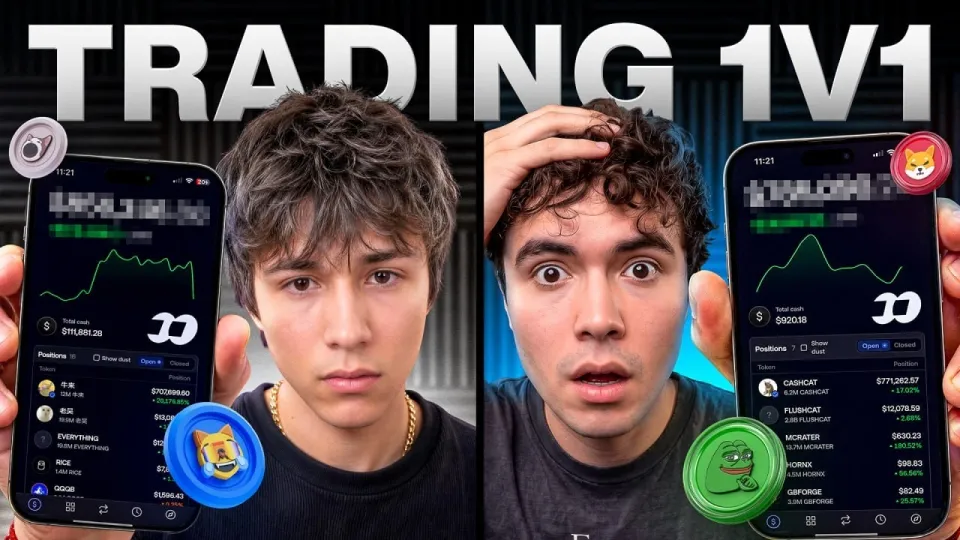
Video: I Challenged A Pro Memecoin Trader (Who Won?)
You can order the same kind of articles for your own video to boost it on YouTube and Google. Just message the Telegram bot @sat_sit_bot. The bot writes and publishes the articles itself (with your YouTube video embedded) on popular topical websites (no ads). Try it free: 50 articles on us.
· based on the channel insentos
Meme coin trading is short-horizon speculation on newly launched tokens that have no cash flow, no product and often no team, so the edge comes from execution speed, position sizing and a predefined exit rather than from fundamental analysis. A practical way to learn it is to watch a live session where a professional narrates every decision, then convert what you see into a written checklist you can repeat. The insentos challenge video, where the host trades side by side with a pro guest, is exactly that kind of material, and you can follow the same workflow through the FOMO community link used in the video.
What a meme coin actually is and why the rules differ from normal crypto
A meme coin is a token whose price is driven almost entirely by attention, liquidity and holder behaviour, not by revenue or tokenomics. That single fact changes everything about how you trade it: there is no fair value to anchor to, so price is a pure auction, and the auction can end in minutes. Most meme coins launch on Solana or Ethereum through launchpads, get a liquidity pool on a decentralized exchange, and live or die on whether a community forms around them. Because supply is usually concentrated in a few wallets at launch, the chart you see in the first hour is a map of who is selling into whom. Treat every meme coin as a lottery ticket with a technical pattern attached, size it accordingly, and never confuse a green candle with validation of the project.
Why live pro-vs-amateur sessions teach faster than static tutorials
The value of a live challenge is that it exposes the decision process, including hesitation, missed entries and early exits, which recorded tutorials edit out. In the insentos video the guest keeps explaining his reasoning even while actively managing a trade, and viewers repeatedly point out that this running commentary is what made the session useful for someone with little experience. You see the boring parts too: waiting for a setup, checking liquidity, deciding not to chase. That is the part beginners never see and therefore never copy. Watching someone sit on their hands for ten minutes teaches more about risk than any indicator overlay.
7 steps to build a repeatable meme coin trading routine
A repeatable routine beats a clever setup, because meme coin outcomes are noisy and only consistency lets you measure anything. Work through these seven steps in order and do not skip ahead.
- Set up the wallet and the terminal before you need them. Create a dedicated hot wallet with only trading capital, fund it with SOL or ETH for gas, and connect it to a trading interface such as Axiom. The insentos session runs on Axiom, and the point of a terminal is speed: one screen for chart, liquidity and buy/sell buttons.
- Define your risk per trade in currency, not in percent of a dream. A common beginner mistake is sizing by conviction; size by tolerance. If losing the whole position would change your week, the position is too big, regardless of how good the chart looks.
- Filter the token before you look at the chart. Check liquidity depth, holder distribution, whether the top wallets are linked, and how old the pool is. Thin liquidity means your exit is the thing that moves the price against you.
- Wait for the setup instead of chasing the candle. The pro in the challenge is repeatedly seen waiting and passing on trades; entries taken after a vertical move are where retail accounts bleed. Decide in advance what a valid entry looks like and let the rest go.
- Write the exit before the entry. Fix an invalidation level and a first target, and accept that you will sometimes sell too early. A small win taken by rule is worth more than a round trip to zero.
- Scale out, do not all-in and all-out. Selling half into strength and letting the rest run with a moved stop converts a volatile trade into a managed one, which is the actual skill being demonstrated in live sessions.
- Journal every trade with a screenshot. Note the entry reason, the exit reason and what you felt. After thirty trades the journal, not the chart, tells you where the money leaks.
The beginner questions that come up in every live trading chat
The same doubts appear in the comments under every challenge video, and they are worth answering directly. New traders ask whether the pros are simply gambling, whether community access is worth it, and whether a small account can be grown quickly. On the gambling question: a single trade is close to a coin flip, and the difference between a gambler and a trader is that the trader repeats a positive-expectancy process and caps the downside. On community access: groups are useful for information flow, but no group replaces your own risk rules, and paying for access before you have a plan is backwards. On small accounts: scaling 50 into 1000 requires either extreme variance or extreme leverage of attention, and most attempts fail, so treat those challenges as entertainment and education rather than a business plan. And on the recurring observation that influencers seem to trade with an advantage: yes, an audience is an advantage, which is precisely why a beginner must trade smaller and slower than the people they watch.
How to use a trading terminal and community tools without overpaying
The tooling layer is where beginners either save or lose money, and the rule is simple: pay for execution, not for signals. A terminal like Axiom gives you charting, wallet tracking and fast order routing in one place, which is the part that genuinely affects results. Community platforms and referral hubs such as FOMO bundle feeds, calls and group access, and they are only worth it once you already have a process to feed them into. Start with the free tier of any tool, trade a small size for two weeks, and upgrade only if you can name the specific decision the tool improved. Following the host's own channels, X, Instagram and TikTok, is a cheap way to see the workflow in public before committing capital or subscriptions.
The risk rules that separate a session from a strategy
Risk control is the only part of meme coin trading that compounds, because survival is what lets you take the next trade. Cap your total exposure across all open meme coin positions, not just per trade, since correlated launches dump together. Assume any position can go to zero and never add to a loser hoping for a bounce. Keep a stablecoin buffer outside the trading wallet so a bad day cannot wipe your gas and your capital at once. Take breaks after two consecutive losses, because tilt is the most expensive emotion in this market. Finally, withdraw profits periodically: a number on a screen is not a result until it leaves the trading wallet.
Useful links
- FOMO community and referral hub used in the video
- Axiom trading terminal
- insentos on X
- insentos on Instagram
- insentos on TikTok
Final thoughts on learning from a live meme coin challenge
A live session is only useful if it changes what you do on your next trade, so pick one habit from the insentos challenge, such as waiting for a setup or writing the exit first, and apply it for a week before adding another. The channel's format, a pro guest narrating decisions in real time, is a good model for study because it shows process rather than outcomes, and the host's own framing of the session as a challenge keeps expectations honest. Use the tools, watch the workflow, but keep your own sizing conservative, because the traders who last are the ones who are still there after the noise clears. If you want to follow the same community route the video uses, start with the FOMO signup link and treat everything you learn there as input to your own written plan.
Key takeaways
- Meme coin trading is short-horizon speculation on tokens with no cash flow, so speed of execution and exit discipline matter more than long-term thesis.
- The insentos challenge video pits the host against a guest pro trader in a live session, with the trading done through Axiom (axiom.trade) and community tools promoted via fomo.family.
- Beginners lose mostly on entries taken after the move, oversized positions and no predefined exit; the guest's edge came from narrating his thought process while trading.
- Realistic expectations: most viewers of such challenges end up losing, which is why a fixed risk per trade and a written plan come before any strategy.
- A 50-to-1000 style challenge is a sizing exercise, not a strategy: the smaller the starting balance, the more the outcome depends on variance, not skill.
Source: I Challenged A Pro Memecoin Trader (Who Won?) · Markdown version
Questions & answers
Is meme coin trading just gambling?
A single trade is close to a coin flip, because price is driven by attention and liquidity rather than fundamentals. What separates trading from gambling is repetition of a process with capped downside: fixed risk per trade, predefined exits and a journal you actually review. Without those three, it is gambling with extra steps.
How much money do I need to start trading meme coins?
Enough that losing the entire balance does not affect your finances, plus gas for the chain you trade on. Small accounts can be used to learn execution, but scaling a tiny balance into a large one depends mostly on variance and attention, not on skill, so do not treat it as a plan.
Do I need a paid trading terminal or community group?
A terminal such as Axiom mainly buys you speed and a single screen for chart, liquidity and orders, which does affect execution quality. Community groups are useful for information flow but cannot replace your own risk rules, so start free, trade small, and only pay once you can name the decision a tool improved.
Why do traders in challenge videos often end up losing?
Live sessions are short samples of a noisy process, and short samples are dominated by variance, especially with small balances. Influencers also trade with an audience and information advantage that a beginner does not have, which is exactly why a new trader should size smaller and slower than the people they watch.